It's hard selling premium tint when customers can't feel the benefits. You explain heat rejection, but they remain skeptical. This doubt costs you the sale of a better product.
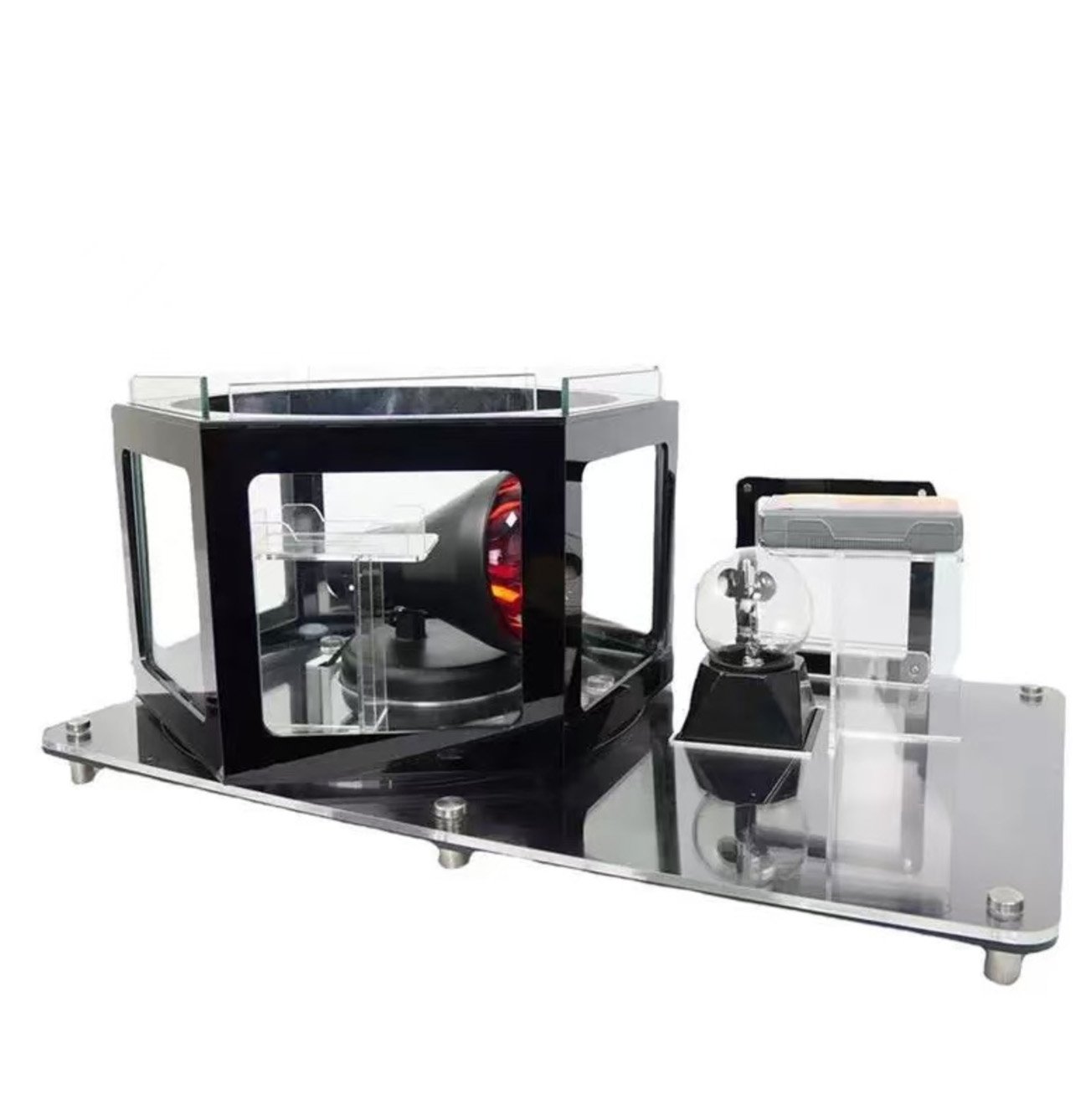
An infrared (IR) protection demo device lets customers feel the difference. It uses a heat lamp to simulate the sun. When they place a film sample in the path, they feel the heat disappear.
As a team, we've been working with auto film tools for over ten years. I can't count the times I've tried to explain infrared energy to a customer. I'd talk about the light spectrum and nanometers. Their eyes would just glaze over. Words on a spec sheet don't mean much. Feeling is believing. A hot car on a summer day is a feeling everyone understands. If you can show them how to stop that heat before it even gets in, you've made a sale. That's what these demonstration tools do. They take a complex scientific concept and turn it into a simple, undeniable feeling. It connects the price of the film to a real-world benefit they can instantly understand.
What is IR protection on tint?
Customers hear "IR rejection" but don't understand it. They think it's just a technical term you're using to charge more. Let's make this simple for them.
IR protection is a special feature in window tint that blocks infrared rays. These invisible rays from the sun are what create most of the heat you feel. The film stops the heat from entering your car, keeping it cool.
Breaking Down Sunlight
I always tell my customers to think of sunlight as being made of three parts. First, there are UV rays, the ones that cause sunburn and fade your car's interior. All quality tints block these. Second, there's visible light, which is the light we see. The darkness of the tint controls this. And third, there are infrared (IR) rays. You can’t see them, but they carry about half of the sun’s total heat. Standard, cheap tints don't do much to block IR rays. That’s why a car with dark, cheap tint can still get very hot. High-quality ceramic or carbon films are different. They are packed with microscopic particles designed specifically to absorb or reflect infrared energy. So, even a lighter shade of ceramic tint can block more heat than a very dark, basic tint. This means you get a cooler car interior without having to sacrifice visibility.
| Type of Ray | What it Does | Standard Tint | IR Blocking Tint |
|---|---|---|---|
| UV Rays | Fades interior, skin damage | Blocks 99% | Blocks 99% |
| Visible Light | Brightness, glare | Blocks based on darkness | Blocks based on darkness |
| Infrared Rays | Creates heat | Blocks very little | Blocks up to 90%+ |
Is IR window tint worth it?
The higher price of ceramic IR tint makes customers think twice. They ask if the extra cost provides a benefit they will actually notice. Let's show them why it does.
Yes, IR window tint is absolutely worth it. It keeps the car much cooler for better comfort. It can also reduce your air conditioner use and protects your interior from heat damage.
The Real-World Payoff
The first time I had a car with high-quality ceramic tint, the difference was shocking. I owned a black car at the time, and on hot summer days, the black leather seats would get scorching hot. After installing ceramic IR film, I could get in my car after it sat in the sun all day and the interior was just warm, not dangerously hot. This is the comfort you're selling. An IR-blocking film can reduce the interior surface temperature of a car by a huge amount. This means the air conditioning doesn't have to work as hard to cool the car down. That saves a small amount of fuel, but more importantly, it makes the ride comfortable from the moment you get in. It also protects your dashboard and leather from the long-term damage that intense, retained heat can cause. For customers who want heat rejection but don't want a very dark, "limo" look, high-IR-rejection films are the only answer. They can get amazing heat blocking with a film that's still easy to see through at night.
How to use an IR protection demo device?
Just talking about test data is not very convincing. Customers need to see and feel the proof for themselves to truly believe it. Let's walk through how to show them.
The device has a heat lamp and a power meter that shows the heat passing through. You place different film samples in the path of the lamp. The customer can see the numbers drop on the meter or see the heat down by seeing the stop running of the windmill.
Creating the "Wow" Moment
Using an IR protection demo device is the most effective way to sell premium film. It’s a simple process. First, you turn on the infrared lamp. The power meter will show a high reading, representing the full heat of the lamp. Let the customer put their hand in the path of the light to feel the heat. Then, take a sample of a standard, cheap tint and place it in the slot. The meter reading will drop a little, and they will feel a slight reduction in heat. Now, for the important part. Take a sample of your premium ceramic IR film and place it in the slot. The reading on the power meter will plummet, often by 80% or 90%. When the customer puts their hand in the path of the light now, they feel almost no heat at all. The difference is dramatic and undeniable. I’ve seen customers' eyes go wide when they feel this. In that moment, the premium price makes sense. It’s no longer an abstract number; it’s the price for a cool, comfortable car.
Conclusion
An IR protection demo device lets you prove the value of premium tints. It makes invisible heat rejection a real, tangible experience, helping customers choose quality and boosting your sales.